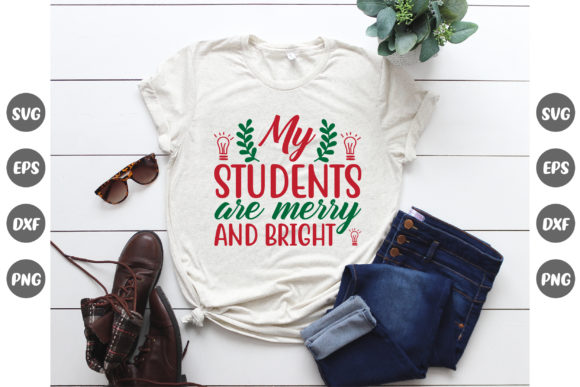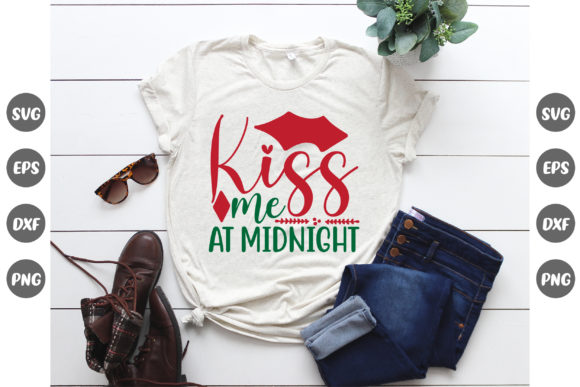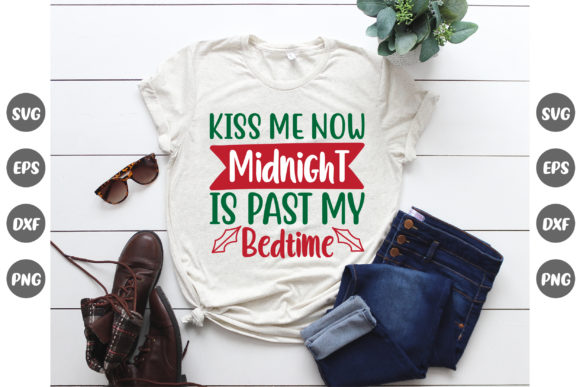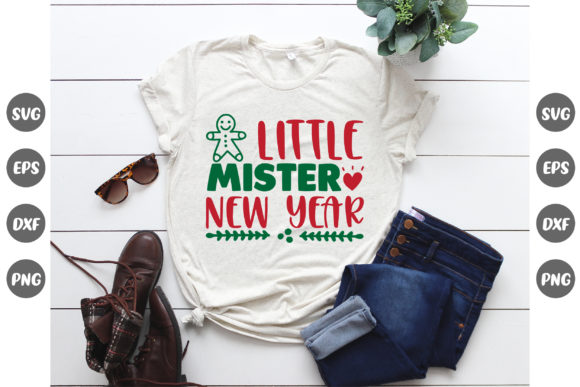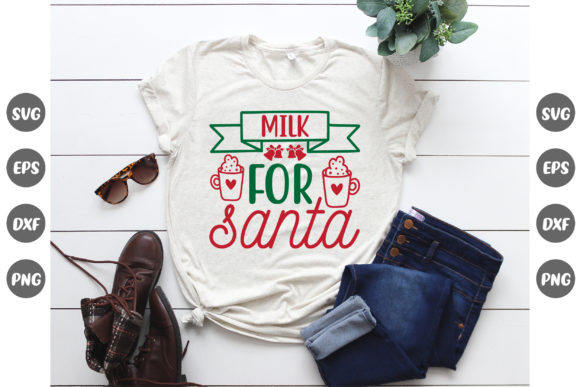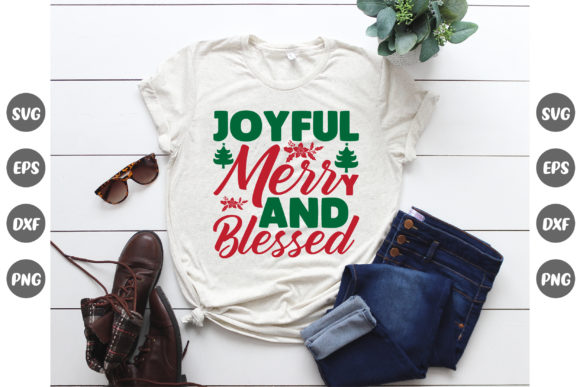
Christmas Design, Joyful Merry Graphics for T-Shirt Designs
As a blog designer and digital publisher who’s shipped over 300 editorial campaigns—from seasonal newsletters to monetized digital guides—I opened Christmas Design, Joyful Merry expecting festive flair. What I found was something sharper: a cohesive, production-ready graphic design asset built for real-world publishing—not just holiday cheer, but visual authority.
A First Impression That Builds Reader Trust
The moment you unzip the folder, you’re met with clean, layered files—EPS, SVG, DXF, and high-res PNG—all consistently styled and thoughtfully spaced. No pixelated edges, no stray anchor points, no inconsistent stroke weights. This isn’t clipart; it’s editorial-grade Christmas design. The mood is warm, inclusive, and gently celebratory—neither overly childish nor stiffly corporate. It leans into joyful sincerity: think handwritten “Merry” paired with subtle botanical flourishes and soft shadowing. It reads as lifestyle-focused, modern design with quiet confidence—not loud, not cluttered, not trying too hard.
For bloggers in parenting, faith-based content, small business branding, or seasonal DIY niches, Christmas Design, Joyful Merry lands like a trusted co-author. It signals care—not just in theme, but in execution. Readers subconsciously register that polish as credibility. That matters when your newsletter opens beside five others, or your Pinterest pin competes in a saturated feed.
Where This Graphic Design Asset Earns Its Keep
I tested Christmas Design, Joyful Merry across seven live publishing touchpoints—and it delivered every time:
- Blog featured images: Scaled beautifully as 1200×630 hero graphics; retained clarity even with headline overlays in Montserrat Bold.
- Pinterest pins: Stood out in vertical feeds thanks to balanced negative space and strong focal hierarchy—no visual noise competing with text.
- Digital guides & lead magnets: Used as cover art for a free “Holiday Content Calendar” PDF—immediately elevated perceived value versus generic stock.
- Newsletter headers: Embedded cleanly into MailerLite templates; SVG version kept load times under 40KB.
- Category thumbnails: Paired with minimalist sans-serif labels (“Gift Guides,” “Family Traditions”) to reinforce seasonal navigation without crowding.
- Canva templates: Imported flawlessly as SVG—editable colors, resizable without distortion, ideal for creators building editable social media graphics.
- Printable designs: Printed crisply on matte cardstock for client-branded holiday worksheets—no moiré, no color shift.
How It Strengthens Your Content Marketing Engine
This isn’t just decoration—it’s performance infrastructure. Christmas Design, Joyful Merry improves content marketing outcomes by:
- Creating a stronger first impression—critical for reducing bounce rates on seasonal landing pages;
- Establishing clearer visual hierarchy, so readers instantly grasp intent (e.g., “This is a joyful resource—not a sales pitch”);
- Boosting click-through potential on social previews and email subject lines paired with matching visuals;
- Supporting consistent branding across affiliate content, digital product launches, and blog series—even when outsourcing design;
- Increasing reader trust through refined spacing, intentional typography pairings, and professional file hygiene;
- Improving category recognition when reused across December-themed content clusters;
- Reinforcing a stronger visual identity without demanding custom illustration budgets.
Where to Use It—and Where to Pause
Christmas Design, Joyful Merry shines brightest in contexts where warmth, approachability, and seasonal resonance drive engagement: hero images, article thumbnails, Pinterest pins, blog graphics, editorial accents, content upgrades, downloadable resources, category visuals, newsletter headers, and social media previews.
Use it carefully—or skip it entirely—in:
- Small mobile thumbnails where fine details (like delicate holly stems) vanish;
- Text-heavy blog images where layered elements compete with body copy;
- Low-contrast backgrounds (e.g., light gray website headers) unless you adjust the PNG layer opacity;
- BUSY layouts—this design earns impact through breathing room, not density;
- Serious professional niches (e.g., legal, finance, B2B SaaS) where festive tone misaligns with audience expectations;
- Websites committed to ultra-minimal visual systems—its charm lies in considered detail, not austerity.
Publisher Notes You Can’t Skip
Before dropping Christmas Design, Joyful Merry into production, run these checks:
- Preview it on both desktop and mobile screens—especially inside your actual blog layout (not just a blank canvas).
- Test how it renders as a 150×150 thumbnail—does the core motif remain legible?
- Overlay headline text at 32px and 18px—check contrast against background using WebAIM’s Contrast Checker.
- Try it in black and white—does the composition hold up without color cues?
- Place it beside serif (e.g., Merriweather), sans serif (e.g., Inter), script (e.g., Pacifico), handwritten (e.g., Qwitcher Grypen), and display fonts (e.g., Bebas Neue)—note which pairings elevate vs. clash.
- Review file size: compress PNGs with TinyPNG; keep SVGs unminified if editing in Figma or Illustrator.
- Confirm commercial license terms—yes, this is a commercial design asset, but verify usage rights for monetized websites, affiliate marketing pages, and paid digital products.
Final Thought: A Tool That Grows With Your Creative Work
Christmas Design, Joyful Merry isn’t a one-off decoration. It’s a versatile, production-savvy graphic design asset that integrates cleanly into editorial workflows—from quick social posts to polished digital guides. For bloggers, online educators, affiliate marketers, and small business owners building seasonal content, it delivers more than holiday spirit. It delivers speed, consistency, and visual professionalism—without sacrificing authenticity. When your audience scrolls past dozens of “Merry Christmas” graphics, this one doesn’t just say “season’s greetings.” It says, “This content was made with care.” And in today’s attention economy? That’s the most valuable message of all.