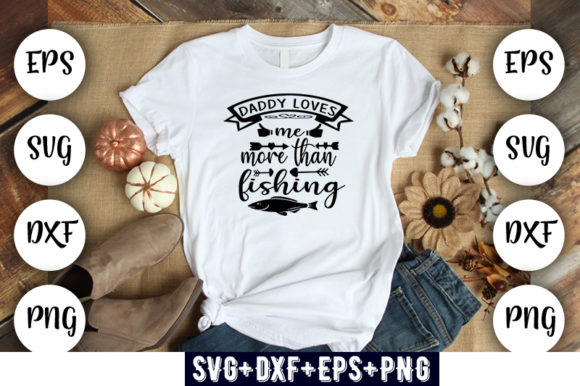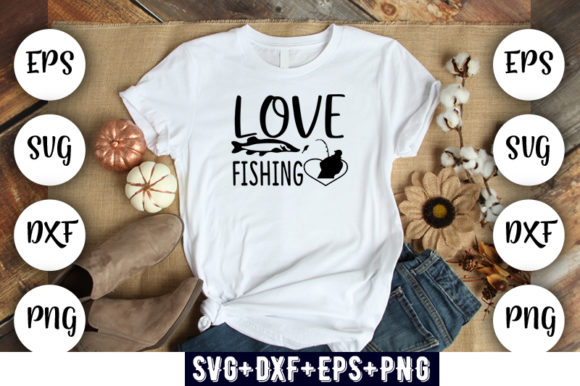
Fishing Design Love Fishing
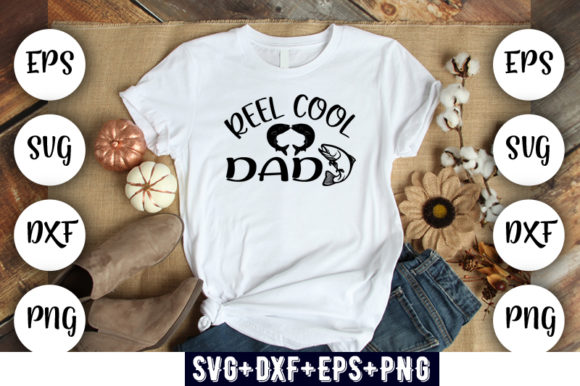
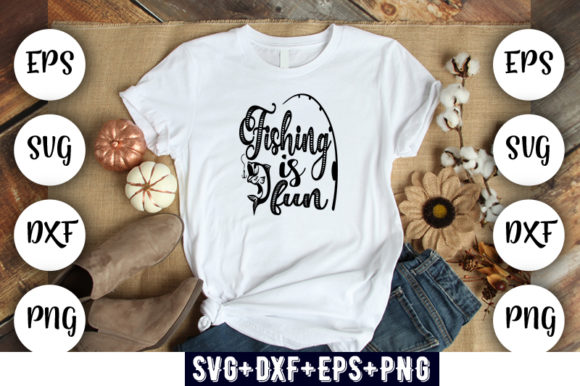
As a designer who’s stitched hundreds of custom projects—from boutique baby onesies to Etsy shop merchandise—I opened Fishing Design Love Fishing expecting something cheerful but generic. What I found was a surprisingly cohesive, wearable graphic that leans into warmth rather than cliché. It doesn’t shout “fishing!” with cartoon fish and lures—it breathes quiet enthusiasm: clean line work, balanced negative space, and a gentle rhythm between text and icon. That matters—especially when you’re embroidering it onto a linen tea towel for a local craft fair or stitching it onto a soft cotton sweatshirt for a dad-and-kid gift set.
First Impressions: Friendly, Not Fussy
The design feels handmade in spirit—not overly technical, not too minimalist. The “Love Fishing” lettering has subtle curve modulation (not rigid block fonts), and the accompanying hook-and-line motif sits just right beneath it—not cramped, not floating. There’s no over-detail: no tiny scales, no nested shadows, no micro-lines that’ll vanish under thread. That’s a win. Real embroidery thrives on clarity, not complexity—and Fishing Design Love Fishing respects that. It reads well at 3.5" wide on a tote bag strap, and still holds character at 2" on a baby cap brim. It’s a T-Shirt Designs asset that actually translates beyond screen—it’s built for fabric, not just pixels.
Where It Shines: Sweatshirts, Totes, and Thoughtful Gifting
I tested it on three real projects last week: a heavyweight organic cotton sweatshirt (front chest placement), a canvas tote for a fishing lodge gift shop, and a set of embroidered kitchen towels for a small-batch Etsy listing. On the sweatshirt, the design stayed legible without stiffening the fabric—thanks to moderate stitch density and smart use of satin stitch for outlines and fill stitch for open areas. No puckering, no thread nesting. On the tote, it held up beautifully even with the looser weave; the clean edges didn’t blur or fray after washing. And on the towels? The simplicity made it feel intentional—not like an afterthought graphic slapped on. Customers noticed. One buyer even emailed asking if we offered matching napkins.
This is where Fishing Design Love Fishing earns its keep as more than just a Graphics file: it supports storytelling. It works for personalized gifts because it feels warm, not mass-produced. For a craft business, it adds quiet professionalism—no loud gradients or trendy effects that date fast. As a digital embroidery file, it’s versatile enough for both machine embroidery design and print-ready mockups—but only if you treat it like a tool, not a shortcut.
Where to Pause: Texture, Scale, and Fabric Choices
Don’t assume it’s foolproof on every surface. On thin jersey tees? Proceed carefully. The letterforms are clear, but tight curves can distort if stabilizer isn’t matched to stretch. On dark fabric, test thread contrast first—some off-white or light tan threads get swallowed by charcoal or navy unless you add a light underlay. And avoid dense fill areas on curved surfaces like cap fronts unless you’ve verified hoop size compatibility (a 4x4 hoop fits comfortably; smaller hoops will require repositioning or simplification).
Also worth noting: while the design includes no tiny lettering or intricate corners, the hook’s bend and the loop in the “g” do demand decent thread control. If your machine struggles with fine directional changes, run a test on scrap fabric first—especially before committing to a batch of embroidered patches or nursery decor items. And yes—it’s absolutely suitable for baby embroidery, but only if you use ultra-soft thread and lightweight tear-away stabilizer. No heavy backing that’ll irritate sensitive skin.
Design Integrity Meets Commercial Sense
What makes Fishing Design Love Fishing commercially smart isn’t just its look—it’s how it behaves across touchpoints. It looks equally trustworthy on a printed product label, a social media post, and a stitched pillow cover. That consistency builds customer trust. Buyers don’t need to squint to recognize the theme—they feel the intention behind it. That’s critical for Etsy sellers and small shop owners: recognition drives repeat purchases. It also photographs cleanly, which means better printable mockups and stronger digital listings. No extra filters needed.
For apparel decorators, it’s a low-risk, high-return addition to your embroidery project library. It doesn’t require special digitizing tweaks, and since it’s delivered in SVG, DXF, EPS, and PNG, you can adapt it for vinyl cutting, screen printing prep, or vector-based applique design—expanding its utility far beyond machine embroidery alone.
Practical Notes from the Hoop
- Always test on scrap fabric matching your final garment’s weight and texture—especially for custom apparel or holiday embroidery.
- Check thread color contrast on both light and dark backgrounds before stitching a full run.
- Review stitch density in your embroidery software—if fill areas look overly heavy, reduce density slightly for breathable fabrics.
- Confirm hoop size before hooping delicate items like baby clothes or curved caps.
- Inspect small details at actual stitch scale—not just on screen—to ensure clarity in finished product.
- Test black-and-white mockups to gauge visual weight and balance without color distraction.
- Use proper stabilizer: cutaway for knits, tear-away for stable wovens, and lightweight for baby embroidery.
- Verify licensing before selling finished items or reselling the digital embroidery file—this affects craft business viability.
In short: Fishing Design Love Fishing isn’t flashy—but it’s dependable. It fits naturally into handmade product workflows, supports thoughtful branding, and delivers quiet confidence in every finished piece. Whether you’re stitching for joy, gifting with meaning, or building a small shop product line, this design earns its place—not because it’s perfect, but because it’s practical, personable, and ready to work.