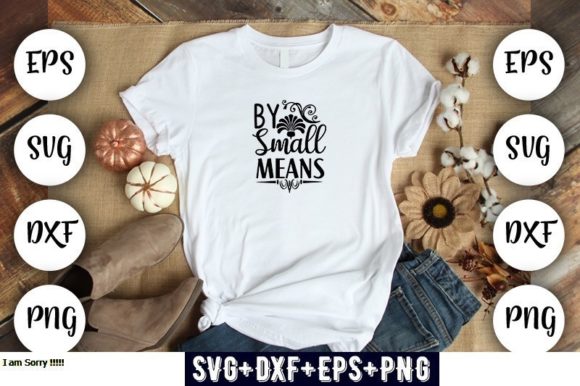
Religious Design by Small Means: Graphics & T-Shirt Designs
First Impression: Calm, Reverent, and Visually Anchored
Opening the Religious Design by Small Means file set, I immediately noticed how grounded it feels—neither overly ornate nor stripped bare. It carries quiet intentionality: clean linework, balanced negative space, and symbolic clarity that reads instantly at a glance. For brand owners launching faith-based products, seasonal devotionals, or mindful apparel lines, this graphic design asset lands with warmth and sincerity—not preachiness. It supports lifestyle branding, small business branding, and content marketing that values emotional connection over loud aesthetics. The mood leans toward reflective authenticity, making it ideal for online coaches building spiritual communities, bloggers curating editorial design around purpose-driven living, or creative entrepreneurs designing printable promotions for retreats or workshops.
Real Campaign Fit: A Launch Kit for Purpose-Driven Brands
Last month, I helped a small business owner refresh her digital product launch—a guided journal series centered on daily reflection. She needed cohesive marketing visuals across Instagram posts, Pinterest pins, email banners, and Canva templates—but without hiring a designer for every variation. Religious Design by Small Means became the unifying visual anchor. We placed the SVG design subtly in corner accents of blog graphics, scaled it cleanly for Instagram story headers, and layered it into packaging inserts as a tactile brand signature. Its scalability (thanks to vector formats like SVG, EPS, and DXF) meant zero pixelation—even when resized for Facebook ads or printed on sticker sheets. As a digital product enhancer, it added gravitas without clutter; as a printable design, it held up beautifully on matte paper stock.
Where It Strengthens Brand Communication
- Brand identity: Works as a secondary mark or decorative brand element—especially when paired with minimalist typography and soft neutral palettes.
- Social media graphics: Elevates Instagram posts and Pinterest pins with symbolic resonance, improving audience trust through visual consistency.
- Packaging design & product labels: Adds quiet distinction to t-shirt tags, box seals, or insert cards—ideal for handmade products and small batch runs.
- Digital ads & web design: Performs well in hero graphics and campaign headers where emotional tone matters more than dense information.
- Editorial design & lead magnets: Serves as a thematic divider or section icon in downloadable guides, reinforcing message cohesion.
Strategic Uses That Maximize Impact
Religious Design by Small Means shines brightest when used intentionally—not as filler, but as a deliberate tonal cue. It excels in hero graphics for landing pages promoting spiritual courses, as a watermark-style accent in branded templates, or as a subtle repeat pattern in Canva templates for faith-based newsletters. On merchandise, especially T-Shirt Designs, its clean outlines translate flawlessly to screen printing and heat transfer. As a marketing visual, it strengthens visual hierarchy by guiding attention toward core messaging—not competing with it. For publishers and content creators building content bundles, it’s a versatile, commercial design that adds polish without requiring custom illustration time.
Where Caution Is Warranted
This isn’t a one-size-fits-all asset. Avoid using Religious Design by Small Means in formal corporate branding—think law firms or financial services—where symbolism may feel misaligned. It also struggles in text-heavy ads or dense information layouts where its detail gets lost. On low-contrast backgrounds (e.g., light gray on white), test readability carefully. And while it scales beautifully large, preview the PNG design at thumbnail size—it may lose nuance in mobile feeds or app notifications. If your brand voice is ultra-minimalist or avant-garde, this creative design might soften your edge unintentionally.
Practical Brand Designer Notes You Can’t Skip
Before deploying Religious Design by Small Means in client work or paid campaigns, run these checks: First, test it against your full brand color palette—not just primary hues, but accent and neutral tones. Next, verify black-and-white usage: does it retain clarity as a monochrome clipart? Drop it into real campaign mockups—especially Instagram post templates and email banner dimensions—to assess balance and breathing room. Preview on mobile screens: does spacing hold? Does the SVG design maintain stroke integrity when scaled down? Compare it side-by-side with competitor visuals—is it distinct enough to support stronger recognition? Finally, pair it with serif, sans serif, script, and display fonts to see which reinforces your brand voice. And always confirm the commercial license covers your use case—whether for digital ads, physical merchandise, or client-facing branding projects.
Why This Graphic Design Asset Fits Creative Marketplaces—and Your Workflow
In today’s saturated creative marketplace, consistency and clarity are currency. Religious Design by Small Means delivers both—not as a flashy trend, but as a thoughtful, reusable design asset. Whether you’re a social media manager sourcing ready-to-use marketing visuals, a digital seller bundling editable Canva templates, or a product creator assembling a content kit, this set bridges flexibility and professionalism. Its inclusion of SVG, PNG, EPS, and DXF formats means no dead ends: cut files for vinyl stickers, high-res PNG for web banners, vectors for scalable logos or packaging design. As a modern design solution, it respects the need for speed without sacrificing soul—making it a rare find among generic clipart or overdesigned illustrations. For small business branding rooted in meaning, not just metrics, Religious Design by Small Means isn’t just decoration. It’s visual shorthand for intention—and that’s worth every pixel.