Cat Cold Hands Warm Heart
A Designer’s First Glance: Charm with Quiet Confidence
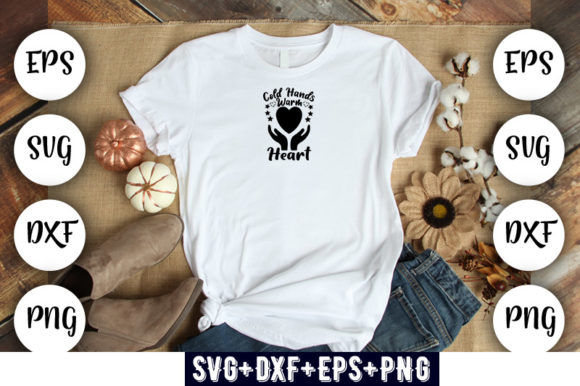
Opening Cat Cold Hands Warm Heart feels like flipping to a well-loved page in a handmade sketchbook—soft, intentional, and emotionally grounded. The composition balances simplicity and warmth: a stylized cat curled gently, paws tucked, heart subtly integrated into its chest or posture. No frantic linework, no overwrought details—just clean contours and thoughtful negative space. It reads immediately as a machine embroidery design that prioritizes stitchability over flash. That matters deeply when you’re stitching for real people—not just screen previews.
Real Project Test: A Linen Tote Bag for a Local Bookstore Pop-Up
Last week, I prepped Cat Cold Hands Warm Heart for a custom linen tote bag—part of a small-batch holiday collection for a neighborhood indie bookstore. The goal? A tactile, heartfelt gift that felt handmade, not mass-produced. I chose medium-weight linen-cotton blend, tear-away + light cutaway stabilizer, and soft matte cotton thread in charcoal and blush. The result? A quiet standout. The cat’s outline held crispness without stiffness; the heart motif read clearly even at 3.5" wide. Customers paused—not because it shouted, but because it invited. That’s the quiet strength of this design: it doesn’t need volume to carry meaning.
Where It Shines—and Where It Asks for Care
Cat Cold Hands Warm Heart excels on structured, low-stretch surfaces: tote bags, aprons, pillow covers, tea towels, and unlined sweatshirts. Its moderate scale and open layout translate beautifully to embroidered patch applications too—especially when fused or sewn onto denim jackets or canvas backpacks. On baby onesies or knit caps? Proceed thoughtfully. The design’s gentle curves and modest detail level mean it avoids the “mushy” trap common in dense fill-stitch motifs—but test on scrap first. Tiny lettering (like “cold hands warm heart” if included in your version) can blur on stretchy or napped fabrics without proper stabilizing.
For custom apparel, lean into mid-to-large placements: left chest on crewnecks, center-back on oversized tees, or lower-front on relaxed sweatshirts. Avoid tight curves (like billowed cap fronts) unless you reduce size significantly and verify hoop clearance. On dark fabric? This design benefits from high-contrast thread—navy + cream, black + rose gold, charcoal + oatmeal. On light fabric? Try tonal stitching for subtlety, or go bold with rust or forest green for warmth.
What It Adds to Your Finished Product
This isn’t just decoration—it’s emotional shorthand. Cat Cold Hands Warm Heart elevates a plain tote into a keepsake. It gives a boutique sweatshirt personality without clutter. It makes a baby blanket feel tender, not twee. That resonance builds customer trust: buyers sense intention behind the stitch, not just speed-to-market. For Etsy sellers and small shop products, that authenticity translates directly to repeat orders and word-of-mouth. And yes—it photographs well. Clean lines hold up in natural-light mockups, and the heart motif reads instantly in thumbnail size. That’s vital for digital listings where attention spans are short and scroll speed is high.
Design Assets That Support Real Workflow
The inclusion of SVG, DXF, EPS, and PNG files means flexibility—not just for embroidery machines, but for laser cutting, vinyl prep, or printable mockups. Use the SVG for precise resizing in design software; lean on the PNG for quick social media previews or listing banners. Just remember: none of these formats auto-translate to optimized stitch data. If you’re using this as a digital embroidery file, you’ll still need to digitize or convert it properly—or confirm the seller provides machine-ready versions. (The product description lists formats, not stitch files—so verify before loading into your embroidery software.)
Practical Notes Every Embroidery Designer Should Keep Handy
- Test first—on scrap fabric matching your final substrate, with your intended stabilizer and thread.
- Check stitch density—especially around the heart shape and inner cat contours. Overly dense fills can pucker lightweight fabrics.
- Confirm hoop size—the design’s width and height will determine minimum hoop requirements. Don’t assume “small” means “fits all 4x4 hoops.”
- Inspect fine details—tiny eyes, whisker hints, or heart outlines may vanish on textured or fuzzy fabrics.
- Try black-and-white mockups—to assess contrast and legibility before committing to color.
- Use proper stabilizer—linen and knits demand different support than smooth cotton poplin.
- Review licensing—since this falls under T-Shirt Designs and Graphics, confirm whether commercial use (e.g., selling finished embroidered items or reselling the digital file) is permitted.
Not Just for Holiday Gifting—But Perfect for It
I’ve seen Cat Cold Hands Warm Heart work year-round: on spring aprons for gardening workshops, summer picnic blankets, fall kitchen towels, and winter baby swaddles. But during December? It lands differently. There’s something deeply comforting about pairing feline softness with human vulnerability (“cold hands”) and quiet resilience (“warm heart”). It avoids cliché while honoring tradition—a rare balance for holiday embroidery. Pair it with neutral thread and natural fibers, and you’ve got a gift that feels both personal and timeless.
Final Thought: A Design That Respects the Maker and the Wearer
Cat Cold Hands Warm Heart doesn’t try to do everything. It doesn’t cram in florals, borders, or script flourishes. Instead, it offers clarity, warmth, and craft-friendly structure—qualities that serve handmade product creators far better than complexity ever could. Whether you’re stitching for a client, building your craft business, or creating a one-of-a-kind personalized gift, this design meets you where you are: in the quiet, deliberate space between idea and execution. And that, honestly? Is where the best embroidery lives.